Reviewing Best Teacher Ever Since 1980 for Embroidery
As a designer who has spent countless hours digitizing and stitching out thousands of patterns, I approach every new machine embroidery design with a critical eye. It is not just about whether the file opens correctly; it is about how that design translates from a digital concept into thread on fabric. Recently, I evaluated the Best Teacher Ever Since 1980 graphic to determine its viability for real-world projects. This is not merely a nostalgic phrase; it is a statement piece that requires careful handling to ensure it looks professional rather than dated or cluttered.
When I first loaded the digital embroidery file into my software, the immediate impression was one of classic sentimentality. The year 1980 suggests longevity, dedication, and a career spanning decades. For an Etsy seller or a craft business owner, this specific angle offers a unique niche. It is not just for any teacher; it is for the veteran educator who has shaped generations. This distinction matters because it changes the target audience from general gift-givers to those looking for something deeply personal and respectful of a long career.
Visual Personality and Layout Assessment
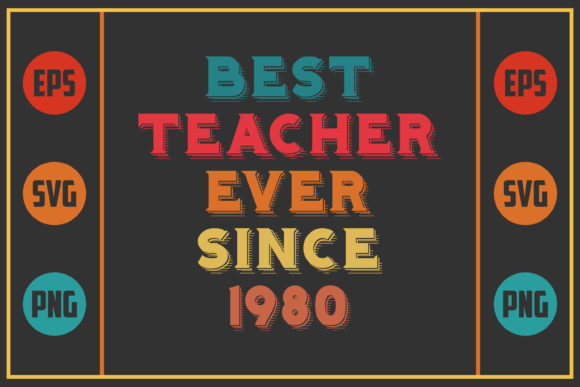
The layout of Best Teacher Ever Since 1980 leans heavily on typography. In the world of Crafts and Graphics, text-based designs are deceptively simple. They look easy on screen, but they can be nightmares to stitch if the kerning is too tight or the font weight is too thin. Upon reviewing the SVG included in the zip file, I noted that the design relies on clean lines. This is crucial for clarity. When we talk about an embroidery project, we are dealing with thread thickness, which adds bulk. A design that looks crisp in Adobe Suite or Inkscape might turn into a muddy blob if the stitch density is too high or if the fabric texture interferes.
The mood created here is warm and appreciative. It feels appropriate for a retirement gift, a milestone anniversary, or a end-of-year thank you. However, the visual personality must be balanced with technical execution. If you are planning to use this as a tote bag design, the scale needs to be large enough to be readable from a distance. If it is for a sweatshirt embroidery project, the placement on the chest or back pocket area becomes critical. The design does not appear to have excessive decorative elements, which is a positive trait. It allows the message to stand alone without competing with complex satin stitches or fill stitches that might distort the fabric.
Real-World Application and Fabric Choices
Let us consider a practical scenario. Imagine you are preparing a custom order for a local school district honoring a teacher who started in 1980. You decide to create a high-quality personalized gift using a heavy cotton canvas tote or a structured apron. These items benefit from the durability of embroidery. Unlike printed design assets, stitched thread lasts through years of washing and use. However, the choice of fabric dictates the success of the stitch-out.
For a custom apparel item like a polo shirt or a cap, you must be cautious. Caps have curved surfaces, and text designs can warp if not properly stabilized. I recommend using a firm cut-away stabilizer for caps to prevent the design from puckering. For a baby embroidery project, such as a onesie for a teacher’s grandchild, the softness of the fabric requires a lighter touch. You might need to reduce the stitch density slightly to avoid stiffness. The Best Teacher Ever Since 1980 design, being primarily text, should work well on various materials, provided you adjust your tension and stabilizer accordingly.
If you are creating an embroidered patch to be ironed onto a jacket, this design shines. Patches allow for higher stitch density and the use of backing materials that support intricate details. This makes the text pop, especially if you use contrasting thread colors. A navy blue background with gold or white thread would evoke a sense of prestige and tradition, fitting the "since 1980" theme perfectly.
Technical Considerations for Stitching
One of the most important aspects of evaluating any embroidery file is understanding its limitations. Since the product description specifies that you receive one SVG file, it is vital to understand that this is a vector graphic intended for cutting machines or conversion. It is not a pre-digitized PES or DST file ready for your embroidery machine. This is a crucial distinction for small shop product creators. You will need to digitize this SVG yourself or hire a digitizer to convert it into a stitch file. This step allows you to control the stitch type—whether you use a running stitch for outlines or a satin stitch for thicker letters.
When digitizing or adjusting this design, pay close attention to the small details. Tiny lettering can easily break or become illegible if the stitches are too short. Test the design on scrap fabric first. Check the contrast between your thread and fabric. A dark fabric requires light thread, and vice versa. If you are working with textured fabrics like terry cloth towels, you may need to use a topping to keep the stitches from sinking into the pile. This ensures that the finished product looks clean and professional.
Also, consider the hoop size. Ensure that your design fits comfortably within your standard hoops, such as 4x4 or 5x7 inches, depending on how you scale it. If you plan to sell these as commercial embroidery items, consistency is key. Make sure every stitch-out meets the same quality standard. Inspect the back of the embroidery as well; messy bobbin work can indicate tension issues that need addressing before delivering to a client.
Market Value and Customer Appeal
From a business perspective, Best Teacher Ever Since 1980 has strong potential. It targets a specific emotional connection. Customers are not just buying a design; they are buying a way to honor someone’s legacy. This increases the perceived value of your handmade product. Whether you are selling on Etsy, at craft fairs, or through a boutique, the story behind the design helps sell the item. Use high-quality printable mockup images to show potential buyers how the design looks on different items. Show it on a cozy sweater, a sturdy tote, and a classic mug wrap if applicable.
However, always verify licensing terms. Since this is a digital download, confirm whether you have the rights to sell finished physical items made with the design. Most designers allow commercial use for physical products but restrict the resale of the digital file itself. Respect intellectual property to maintain trust and professionalism in the maker community.
In conclusion, the Best Teacher Ever Since 1980 design is a versatile and meaningful asset for creators. It requires thoughtful digitization and careful stitching, but the result can be a cherished keepsake. By focusing on fabric choice, stabilizer selection, and thread contrast, you can transform this simple graphic into a standout piece of wearable art or home decor. Keep your tools sharp, your tension balanced, and your creativity focused on the recipient, and this design will serve your craft business well.